Four Spring Hill alderman seats could land on the April 2027 ballot when the Board of Mayor and Aldermen meets Monday, Oct. 5, at 6 p.m.
The nine-member board, led by Mayor Matt Fitterer, faces a packed agenda that spans a budget amendment, an election resolution, sewer infrastructure and development agreements.
Budget amendment heads to public hearing
The board will hold a public hearing on Ordinance 26-16, the first amendment to the city's $150.8 million fiscal year 2026-2027 operating budget. If no changes are made, a second and final vote could follow the same night.
City Administrator Carter Napier presented the amendment at a Sept. 8 work session. The specific line-item changes have not been detailed in the publicly available agenda materials.
April 2027 alderman election
Resolution 26-274 would ask the Maury County Election Commission to hold a municipal election on Thursday, April 8, 2027. One alderman from each of Spring Hill's four wards would be elected to four-year terms.
All four seats would be nominated and voted on at-large by the city's registered voters. The resolution also requests election notices in both Maury and Williamson counties, early voting under Tennessee law and an additional polling location in Williamson County.
The city would cover all election costs. The total has not been set; the Maury County Election Commission will determine the final figure. City Recorder April Goad and Napier signed the staff memo recommending adoption.
Work sessions focus on sewer and wastewater
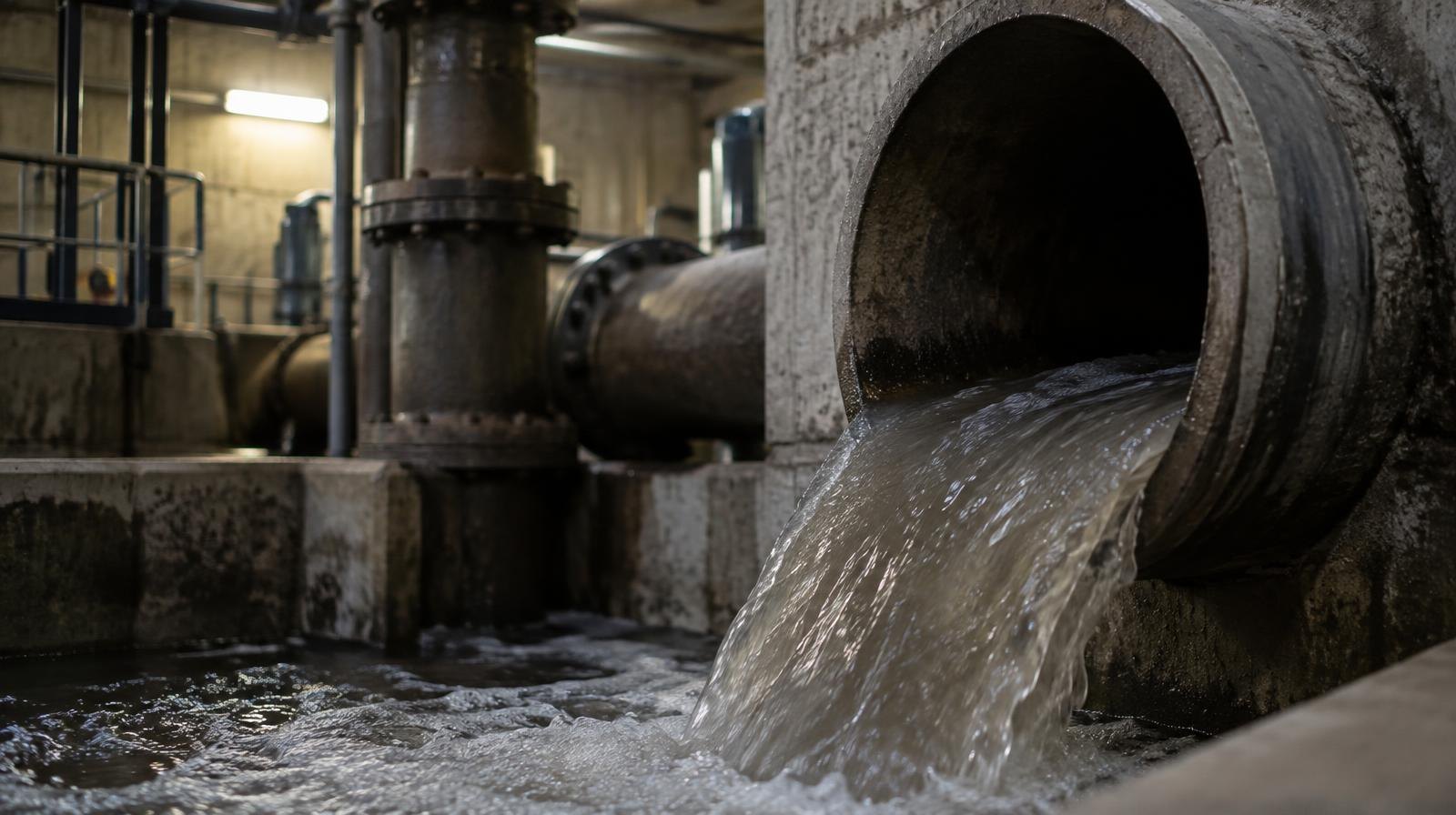
Two work sessions address the city's ongoing sewer capacity challenges.
Ryan LaMunyon, assistant general manager for reclamation, will present on accepting the June Lake sewer pump station and easement. June Lake's Planned Zoning District covers roughly 702.5 acres. The board approved the first reading of an amendment to the June Lake PZD in an 8-0 vote on May 4.
Napier will lead a separate discussion on a draft Columbia Interlocal Wastewater Treatment and Conveyance Agreement, dated Friday, Oct. 2. The deal has been in the works since the board passed two 9-0 votes on Jan. 5 to authorize a reimbursement agreement with Columbia for a feasibility study and to direct staff to pursue an interlocal agreement.
The Columbia Daily Herald reported in February that the feasibility study was budgeted at about $96,000 and that the agreement could allow up to 1.5 million gallons per day of Spring Hill wastewater to be treated at Columbia's plant. Columbia's plant expansion is expected to finish in 2028.
The city's FY2027 budget narrative identified the Columbia interlocal as one of several off-site options being evaluated to provide interim wastewater capacity until Spring Hill's own expansions come online.
Also on the agenda
The board will consider second and final readings of two other ordinances: Ordinance 26-15, setting performance standards for low-impact food preparation operations to protect the sewer system, and Ordinance 26-17, amending the sewer capacity reserve for Nelly's Italian Cafe.
Staff recommends deferring the second reading of Ordinance 26-05, a Marvel Cosmetics exemption at 2536 Duplex Road, until Jan. 18, 2027, to give the property owner more time to reach compliance.
Other work session topics include a Harvest Point development agreement amendment for a new traffic signal at the Cleburne Road and Beechcroft Road intersection and a fixed-time permit application timeline presented by Interim Development Services Director Vernon Gerth.
The consent agenda includes a $17,474 grant from the Gary Sinise Foundation for a fire extinguisher training program and an amendment for the Harvey Park Greenway Project Phase 1.
Monday's meeting begins at 6 p.m. at Spring Hill City Hall.