Spring Hill will pay up to $62 million over 10 years to send its wastewater to Columbia under an interlocal agreement Columbia's city council has approved.
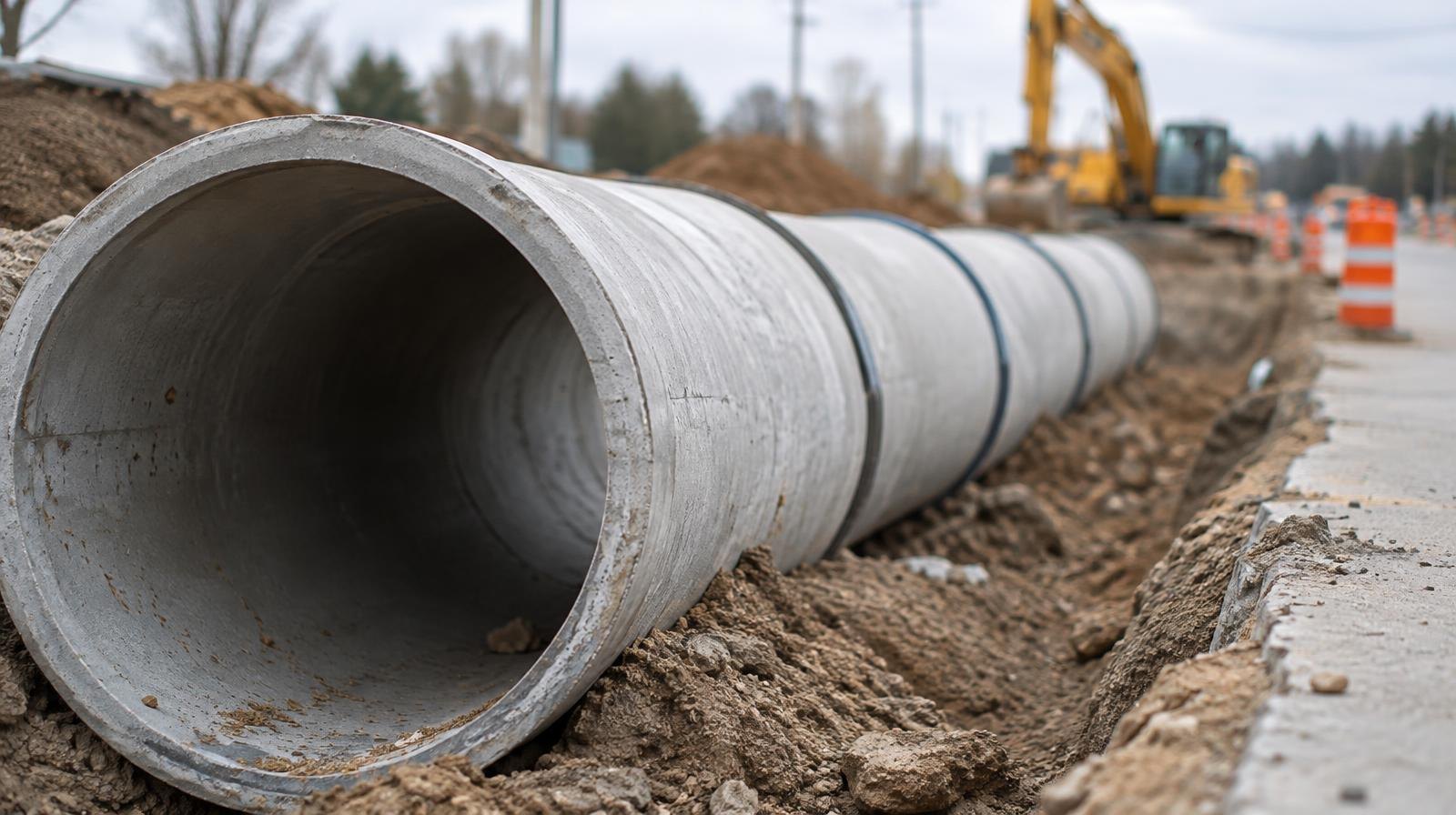
The deal commits Spring Hill to fund a $12 million construction project connecting the two cities' sewer systems, the Williamson Herald reported Oct. 15. Of that, $9 million will build the pipeline and infrastructure linking Spring Hill's existing treatment plant to Columbia's system. The remaining $3 million will upgrade Columbia's Carters Creek Pike Pump Station.
Spring Hill will own and maintain the new infrastructure from its plant to the connection point.
Once the connection is operational, Columbia will accept between 500,000 and 1.5 million gallons of wastewater per day from Spring Hill for treatment. Spring Hill is projected to pay between $21 million and $62 million over 10 years in treatment fees, depending on volume, according to the Herald.
Service will not begin until Columbia's new wastewater treatment plant and the pump station improvements are finished. That plant is under construction and expected to be completed in 2027. It will increase Columbia's treatment capacity to 17 million gallons per day.
"Spring Hill had a need. Columbia answered the call. Both cities will benefit," Columbia Mayor Chaz Molder said, according to the Herald.
Columbia City Manager Tony Massey called the deal "a sound partnership" that brings infrastructure investment to Columbia. Wastewater Department Director Donnie Boshers said the agreement allows his department to make upgrades to its collection system.
The deal matters because Spring Hill is running out of sewer capacity. The Spring Hill Board of Mayor and Aldermen (BOMA) unanimously passed Ordinance 25-29 on Jan. 5. The ordinance established a sewer moratorium framework capping new development connections to comply with a Tennessee Department of Environment and Conservation (TDEC) consent order, designated WPC2025-0093. On Jan. 5, Mayor Matt Fitterer said BOMA was "committed to providing near term additional water reclamation capacity through public delivery of decentralized systems, interlocal agreements, or both."
Spring Hill BOMA meeting minutes from Feb. 17 show Fitterer told aldermen that Columbia had approved the cost reimbursement at its last meeting.
The interlocal agreement locks in a path to additional sewer capacity for Spring Hill, but the full cost to local ratepayers will depend on how much wastewater the city sends south. No timeline for construction of the connecting infrastructure has been announced.